
Building your career in construction with PPR Recruitment

In 2026, the UK construction sector is busy, ambitious – and notoriously short of people. Major infrastructure schemes, housing programmes and commercial developments are all moving forward at pace, and the demand for skilled workers continues to rise. For anyone building a career in construction, this creates opportunity. However, knowing which sector you want to work in, and how to get a foot through that door, can present a challenge.
Finding the right role is about fit, timing and understanding where your skills sit within a changing industry. This is where specialist recruitment makes a real difference.
A career that can move in many directions
Construction is not a single career path. Some people start as apprentices and develop into senior trades or site managers, while others move from hands-on roles into planning, design coordination or civil engineering. There are also increasing numbers of people entering the industry later in life, bringing experience from other sectors.

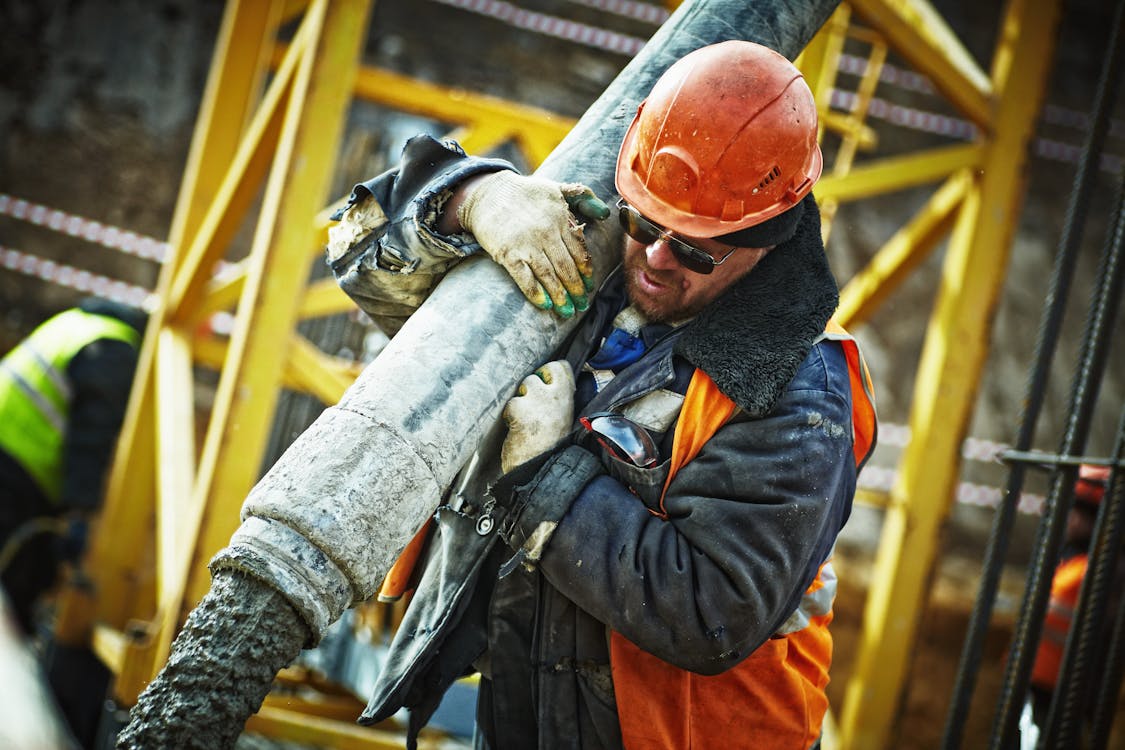
PPR Recruitment works across this full spectrum. Its Construction division supplies qualified tradespeople, skilled operatives and general workers to projects across the UK, from major infrastructure schemes to residential and commercial developments. Every operative is vetted, with qualifications and certifications checked before placement.
For candidates, this creates clarity and consistency. For employers, it removes uncertainty and saves time on compliance.
What the market is really looking for
The construction industry is facing a significant skills shortage, with forecasts suggesting a shortfall of around 250,000 skilled workers by 2028. At the same time, national targets for housing, infrastructure and energy transition are increasing pressure on the workforce.
Certain skills continue to stand out, and skilled trades remain central. Bricklayers, carpenters, joiners, plumbers, electricians and plant operators are consistently in demand. NVQs, City & Guilds qualifications, CSCS cards and apprenticeships all play a key role in helping people build credibility and progress safely.
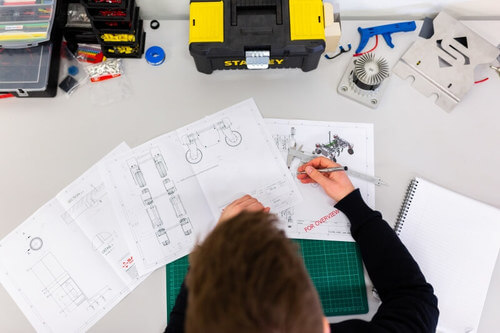
Digital capability is becoming part of everyday working life. Tools such as Building Information Modelling, digital site management platforms and drone surveys are now common on many projects, particularly in the public sector. While few roles require deep technical specialism, confidence using digital systems is increasingly expected across sites.
Sustainability skills are moving quickly from niche to normal. With the UK committed to net zero targets, knowledge of renewable energy installation, energy efficient retrofitting, low carbon materials and building performance standards is now influencing hiring decisions across the sector.
Health and safety remains fundamental. Employers continue to value CITB Site Safety Plus training, CSCS qualifications, experience of risk assessment and an understanding of CDM regulations. Strong safety awareness protects people and keeps projects running.
As careers develop, people skills matter more. Clear communication, adaptability and sound judgement under pressure are often what separate good workers from those who progress into supervisory and management roles.
Keeping pace with change
Digital transformation is one of the most significant shifts affecting construction careers. Government policy, project complexity, sustainability targets and labour shortages are all driving new ways of working.
Most workers will not need to become technology specialists, but they do need to be comfortable using new tools as they appear. Digital site diaries, online safety reporting and shared project platforms are becoming routine. Those who are open to learning and willing to adapt tend to move more easily between projects and stay in demand.
For employers, this shift brings its own challenges. Hiring people with the right balance of practical experience and digital confidence is not always straightforward. Working with a recruiter who understands how roles are changing helps avoid mismatches that slow projects down.
How PPR supports candidates
For job seekers, PPR Recruitment acts as a partner rather than a filter. The team takes time to understand your skills, qualifications and career goals, then matches you with roles that make sense for where you are now and where you want to go.
PPR also helps candidates navigate compliance requirements, ensuring cards, certifications and checks are in place before work begins. Its broad view of the construction market means candidates gain insight into where demand is growing and which skills are worth developing next.
Supporting employers to hire with confidence
For employers, specialist recruitment simplifies hiring. PPR supplies vetted, qualified workers who are ready to contribute from day one. This reduces risk, saves management time and supports consistent standards across sites.
By working closely with clients, PPR helps businesses respond to skills shortages, new technologies and regulatory change without constant disruption.
Building something that lasts
A career in construction can be varied, resilient and rewarding. It offers progression, responsibility and the satisfaction of seeing work take shape in the real world. Whether you are on site or in the office, the industry needs people who take pride in their work and want to develop.
PPR Recruitment supports both candidates and employers in building long term success. To speak with the team, call 01895 808188, email info@ppronline.co.uk, or use the online contact form by clicking here.